
Pigmentation Therapy in Barnala for Clearer, More Even-Toned Skin
Dark spots, patchy tan, melasma or post-acne marks that just won't fade on their own? At Venus Aesthetic World, our pigmentation therapy in Barnala is built around a proper skin assessment first — so your treatment actually matches the type of pigmentation you're dealing with.
What Causes Pigmentation?
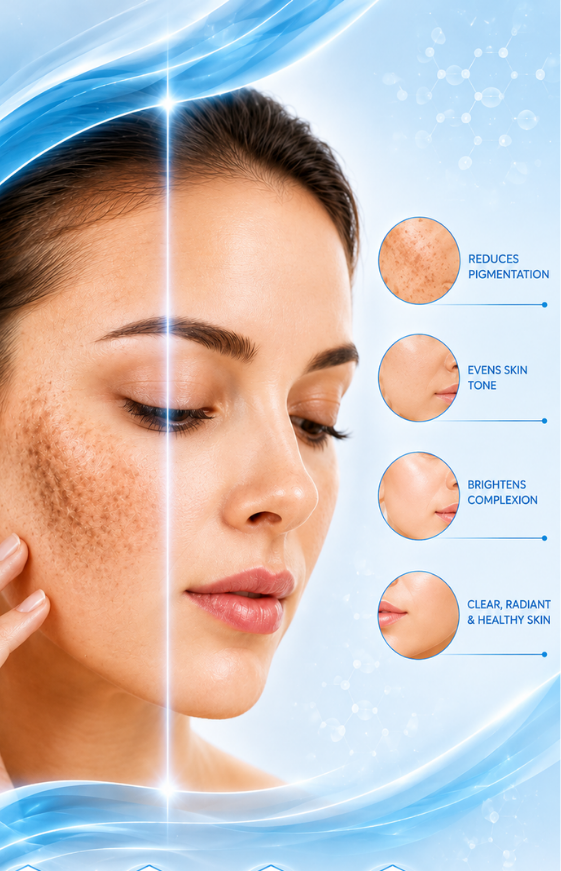
Pigmentation happens when your skin produces melanin unevenly — either too much in certain areas or in a pattern that doesn't match the rest of your complexion. The result can show up as sun spots, patchy tan, dark marks, or larger areas of discolouration that seem to resist every home remedy you try.
The most common triggers are sun exposure, hormonal changes, ageing, inflammation from acne or injury, and genetics. In Barnala's climate, prolonged sun exposure during the summer months, dust and pollution, and daily outdoor activity all play a significant role in how much pigmentation builds up over time — and why it tends to return if it's only treated on the surface.
At Venus Aesthetic World, our pigmentation therapy in Barnala starts by identifying exactly what type of pigmentation you have and what's driving it, so your treatment plan addresses the actual cause rather than just fading the visible mark temporarily.
Common Types of Pigmentation We Treat
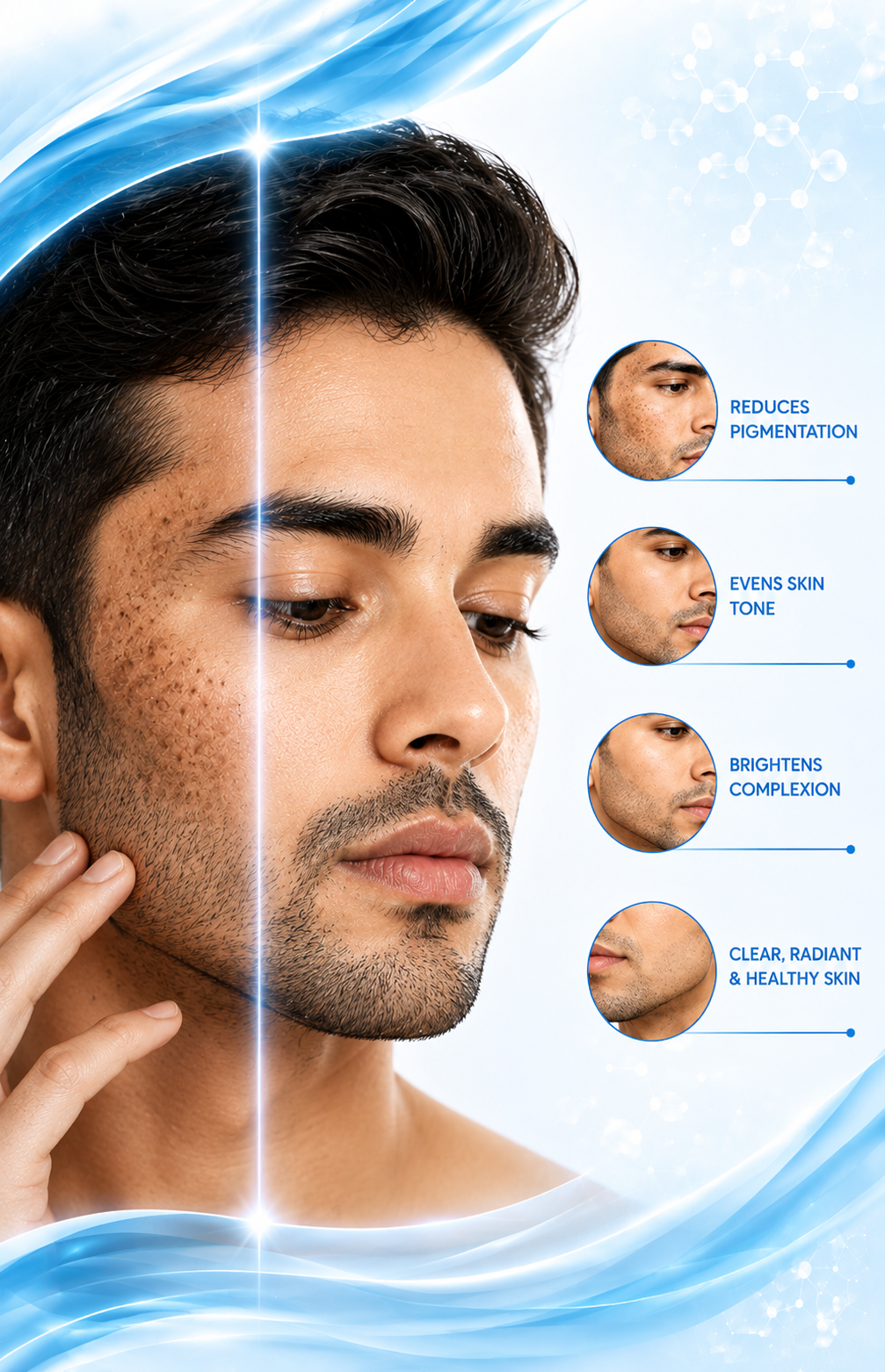
"Pigmentation" isn't just one condition — it covers several different patterns, each of which responds differently to treatment. Recognising which type you have is the first step toward a plan that actually works.
Sun Spots & Tan
Darkened patches from prolonged, unprotected sun exposure — usually seen on the face, neck, arms and hands.
Melasma
Larger, symmetrical brown-grey patches, often linked to hormones and commonly seen after pregnancy or with contraceptive use.
Post-Acne Marks
Brown or reddish-brown marks that linger long after a breakout has healed, sometimes called post-inflammatory hyperpigmentation.
Freckles
Small, concentrated spots of melanin, often genetic and more noticeable after sun exposure.
Uneven Skin Tone
General patchiness or dullness without a single defined mark — often a mix of several smaller factors combined.
Localised Darkening
Darkened patches on underarms, elbows, knees or around the mouth, often linked to friction or repeated irritation.
How We Approach Pigmentation Therapy in Barnala
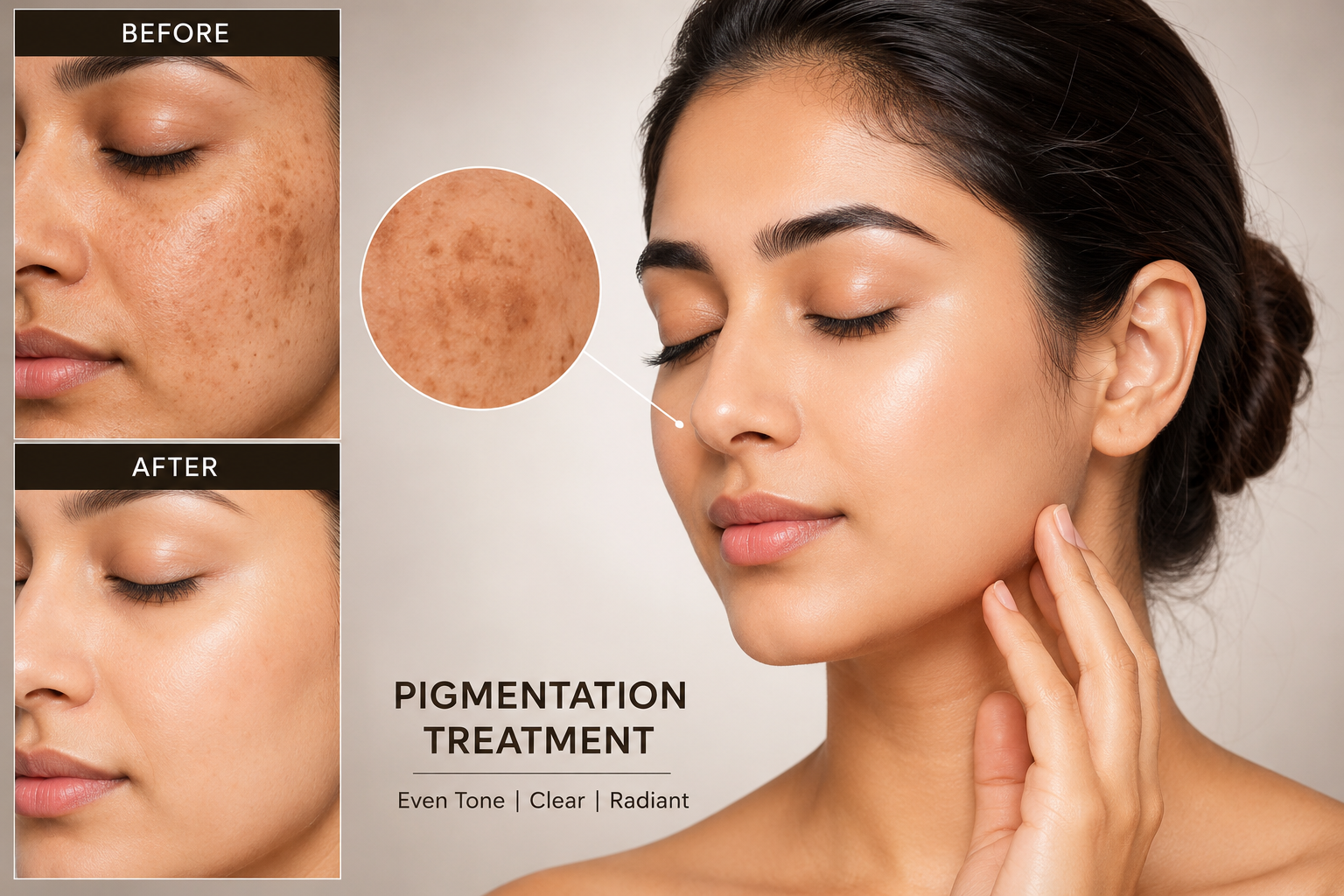
Because pigmentation has so many different causes and patterns, we never start with a fixed package. Instead, every plan begins with a proper skin assessment, and is built up from there.
Skin & pigmentation analysis — identifying which type of pigmentation you have and what's likely driving it.
Targeted in-clinic sessions — therapies chosen specifically for your pigmentation type, depth and skin sensitivity.
Sun protection guidance — because no pigmentation therapy holds up long-term without consistent sunscreen use.
At-home routine support — the right cleansers, actives and moisturisers to support your in-clinic progress.
Regular progress reviews — checking how your skin is responding and adjusting your plan as needed.
What Pigmentation Therapy Can Do For Your Skin
A well-planned pigmentation therapy programme does more than just fade a single mark — it works toward a more balanced, resilient complexion overall.
Even, Brighter Tone
Reduces the contrast between pigmented patches and the surrounding skin for a more uniform complexion.
Targets The Root Cause
Rather than masking marks temporarily, treatment is planned around what's actually causing your pigmentation.
Non-Invasive Options
Most pigmentation therapies involve little to no downtime, so you can return to your day with ease.
Customised To You
Your plan is shaped by your specific pigmentation type, skin tone and lifestyle — never a generic routine.
Supports Long-Term Results
Paired with sun protection and the right home routine, results are built to last rather than fade quickly.
Boosts Confidence
Clearer, more even-toned skin often means one less thing to think about before stepping out the door.
Who Is a Good Candidate for Pigmentation Therapy?
Pigmentation therapy can help a wide range of concerns, but the right plan always starts with an honest, in-person skin assessment — never a guess based on a photo or a quick description.
Great For
Sun tan and sun damage, patchy or uneven skin tone, post-acne dark marks, freckles, and localised darkening on areas like underarms or elbows.
Needs a Closer Look
Melasma and certain hormonal pigmentation can improve with the right, carefully managed approach, but need an individualised plan rather than a standard package.
Talk to Us First
If you're pregnant, have active skin infections, or are on medications that affect skin sensitivity, share this at your consultation so we can plan safely around it.
What Happens During Your Pigmentation Therapy Journey
Every plan at our Barnala clinic follows the same careful sequence, so you always know what to expect and why — no guesswork, no generic routines.
Consultation & Skin Assessment
We examine your skin closely, discuss your history and lifestyle, and identify the type and likely cause of your pigmentation.
Personalised Plan
Based on your assessment, we design a treatment plan built specifically around your pigmentation type — not a fixed package.
In-Clinic Sessions
You'll come in for scheduled sessions designed to target your pigmentation, spaced appropriately to suit your skin's response.
Home Routine & Follow-Up
We guide you on sun protection and the right at-home routine, then check in regularly to track your progress.
What to Expect, and When
Pigmentation sits at different depths within the skin, so how quickly it responds depends on your specific case. Many clients notice their skin looking fresher and slightly more even within the first few weeks of consistent sessions and sun protection.
Deeper or more stubborn pigmentation, such as melasma or long-standing sun damage, typically takes longer — often a series of sessions spread over a few months — since the skin needs time to clear treated pigment naturally between visits. We track your progress at each follow-up, so you can see real, measurable change rather than guessing at it, and we'll always be upfront if your plan needs adjusting along the way.
Common Pigmentation Triggers We See in Barnala
Understanding what's driving your pigmentation helps us plan the right therapy — and helps you make small daily changes that support it long after your sessions end.
Intense Punjab Summers
Long hours in strong sun during summer months are one of the biggest contributors to tan and uneven pigmentation.
Daily Commuting & Fieldwork
Two-wheeler commutes, outdoor work and agricultural activity mean repeated, unprotected sun exposure over years.
Pollution & Dust
Daily exposure to dust and pollution can dull the skin's natural glow and worsen existing pigmentation over time.
Hormonal Changes
Pregnancy, contraceptive use and other hormonal shifts are common triggers behind melasma-type pigmentation.
Post-Acne Inflammation
Breakouts that aren't treated gently often leave behind dark marks that linger for months without proper care.
Inconsistent Sunscreen Use
Skipping sunscreen on cloudy or cooler days is one of the most common, avoidable reasons pigmentation keeps returning.
Simple Habits That Support Your Treatment
What you do between sessions matters just as much as the treatment itself. A few consistent habits can meaningfully speed up how your skin responds and help your results last.
Protect Daily
Apply SPF 30+ sunscreen every morning and reapply through the day — this is the single most important step for keeping your results.
Keep It Gentle
Skip harsh scrubs or exfoliants right after treatment, and stick to a gentle, fragrance-free moisturiser to support healing.
Avoid Heat & Sun
Stay out of direct sun, hot showers, steam rooms and saunas for the first 24–48 hours after your session.
Why Choose Venus Aesthetic World for Pigmentation Therapy in Barnala
We treat pigmentation as a skin health issue with a specific cause, not a single mark to fade. As a locally based clinic, we understand the sun exposure, water and lifestyle factors unique to Barnala, and we build every plan with that context in mind.
Trained Professionals
Every consultation and session is guided by experienced skin professionals who understand how different pigmentation types respond to therapy.
Personalised Plans
Your skin, pigmentation type and lifestyle shape your plan — from session frequency to the exact home-care routine we recommend.
Honest Expectations
We'll never promise instant, permanent whitening. We'll tell you honestly what your skin needs and how long real change takes.
Serving Barnala & Nearby Areas
You shouldn't have to travel to Chandigarh or Ludhiana for pigmentation care that's actually built around your skin. Venus Aesthetic World brings professional, personalised pigmentation therapy directly to Barnala, closer to home.
We regularly welcome clients from Barnala city as well as surrounding areas including Tapa, Mehal Kalan, Bhadaur, Dhanaula, and nearby towns like Sangrur, Mansa, Rampura Phul and Bathinda. Whatever type of pigmentation you're dealing with, our team keeps your plan consistent, convenient and easy to follow up on.
If you've been searching for reliable pigmentation therapy in Barnala without long travel or long waitlists, we'd love to meet you for a consultation.
Is Pigmentation Therapy Safe?
When performed by trained professionals using the right approach for your skin type, pigmentation therapy is a well-established and generally safe treatment. Mild redness or warmth right after a session is normal and typically settles quickly.
Risks such as burns, scarring or worsened pigmentation are almost always linked to treatments done at unqualified places without a proper assessment of skin type and pigmentation depth. That's why choosing an experienced clinic — and sharing your complete medical history beforehand — matters as much as the treatment itself.
At Venus Aesthetic World, we would rather take a slower, well-planned approach across a few sessions than rush results, because pigmentation that's treated correctly the first time tends to stay clearer for longer.
Pigmentation Therapy: Myths vs. Facts
Pigmentation comes with plenty of half-truths passed around through home remedies and social media. Here's how the real treatment compares.
Myth: Pigmentation always comes from bad skincare
Fact: Sun exposure, hormones, genetics and inflammation all play a role — skincare habits are only part of the picture.
Myth: Home remedies work as well as professional therapy
Fact: Kitchen ingredients like lemon can irritate skin and sometimes worsen pigmentation instead of fading it.
Myth: Once it fades, it never comes back
Fact: Without consistent sun protection, pigmentation can return — maintenance is part of long-term results.
Myth: All pigmentation treats the same way
Fact: Melasma, sun spots and post-acne marks all behave differently and need different approaches.
Myth: Darker skin tones can't get pigmentation treatment
Fact: With the right calibration for your skin tone, pigmentation therapy is safe and effective for a wide range of skin types.
Myth: Results are instant
Fact: Skin needs time to clear treated pigment naturally — visible improvement builds gradually over sessions.
How to Choose the Right Clinic for Pigmentation Therapy
Not every clinic offering "pigmentation therapy" in Barnala is equipped to diagnose the type correctly. Before you book anywhere, it's worth checking for these basics.
A real skin assessment — your pigmentation type and history should be examined before any treatment is recommended.
Trained staff — the person guiding your treatment should understand how different pigmentation types respond.
Calibrated technology — settings should be adjustable for different skin tones, not fixed for everyone.
Clear aftercare guidance — you should leave knowing exactly how to protect and maintain your results.
Honest expectations — a trustworthy clinic will never promise instant, permanent whitening, because that isn't how skin works.
Can Pigmentation Therapy Be Combined With Other Treatments?
For many clients, pigmentation therapy works best as part of a broader skin plan rather than a standalone fix. Depending on your skin's needs, we may suggest pairing it with hydrating facials, gentle chemical peels, or a simple at-home routine built around sunscreen, antioxidants and barrier-repair moisturisers.
The goal is always the same: brighter, more even-toned skin that holds up over time — not just a short-term change. During your consultation at Venus Aesthetic World, we'll walk you through whether a combination approach makes sense for your particular skin, or whether pigmentation therapy alone is the right starting point.
Pigmentation Therapy in Barnala — FAQs
Is pigmentation therapy painful?+
Most clients describe a mild warmth or light tingling sensation during treatment. Numbing gel can be used on sensitive areas to keep you comfortable throughout.
How many sessions will I need?+
This depends on your pigmentation type and how deep it sits. Most clients need a series of sessions spaced a few weeks apart, with the exact plan decided at your consultation.
How long do results last?+
Results can last a long time with consistent sun protection and a good skincare routine. Occasional maintenance sessions help keep your skin looking its clearest.
Is it safe for all skin tones?+
Treatment settings must be carefully calibrated to your specific skin tone and pigmentation type. This is exactly why a professional assessment before treatment is essential.
Can melasma be completely removed?+
Melasma is a more complex, often hormone-linked condition and doesn't always respond the same way as sun tan or post-acne marks. It can improve significantly with the right, carefully managed approach, but it needs an individual assessment rather than a standard plan.
Can I return to my daily routine right after?+
Yes — most pigmentation therapies are non-invasive with little to no downtime. Most clients simply follow the aftercare guidance and go about their day as usual.
How much does pigmentation therapy cost in Barnala?+
Cost depends on the treatment area, pigmentation type and number of sessions your skin needs. The most accurate way to know your investment is a free consultation, where we assess your skin and share a clear plan.
Ready for Clearer, More Even-Toned Skin?
Book a free, no-obligation skin consultation with Venus Aesthetic World in Barnala and get a pigmentation therapy plan built specifically for your skin.
Book Your Free Consultation